
What Is Persian Barbari Bread? History, Texture & How to Eat It
Barbari is the thick, golden, sesame-crusted flatbread of northern Iran — the cousin of sangak and the heart of a Persian breakfast. Here's how it's made, what makes it different, and how we bake it fresh daily in Richmond Hill.
What is barbari bread?
Barbari (بربری نان) is a traditional Persian flatbread originating from the Gilan province of northern Iran, near the Caspian Sea. The name comes from the Barbari people — an ethnic group of Hazara origin who settled in the region and introduced this style of baking centuries ago.
It's a thick, oblong loaf, typically 60 to 90 centimeters long, with a deeply golden crust and a soft, pillowy crumb. The surface is dimpled by hand and generously coated in sesame seeds before baking. The signature crackle along the top comes from a room-temperature flour-and-water paste (called *roomal*) brushed on just before the loaf goes into the oven — it steams, then caramelizes, creating that glossy, blistered crown.
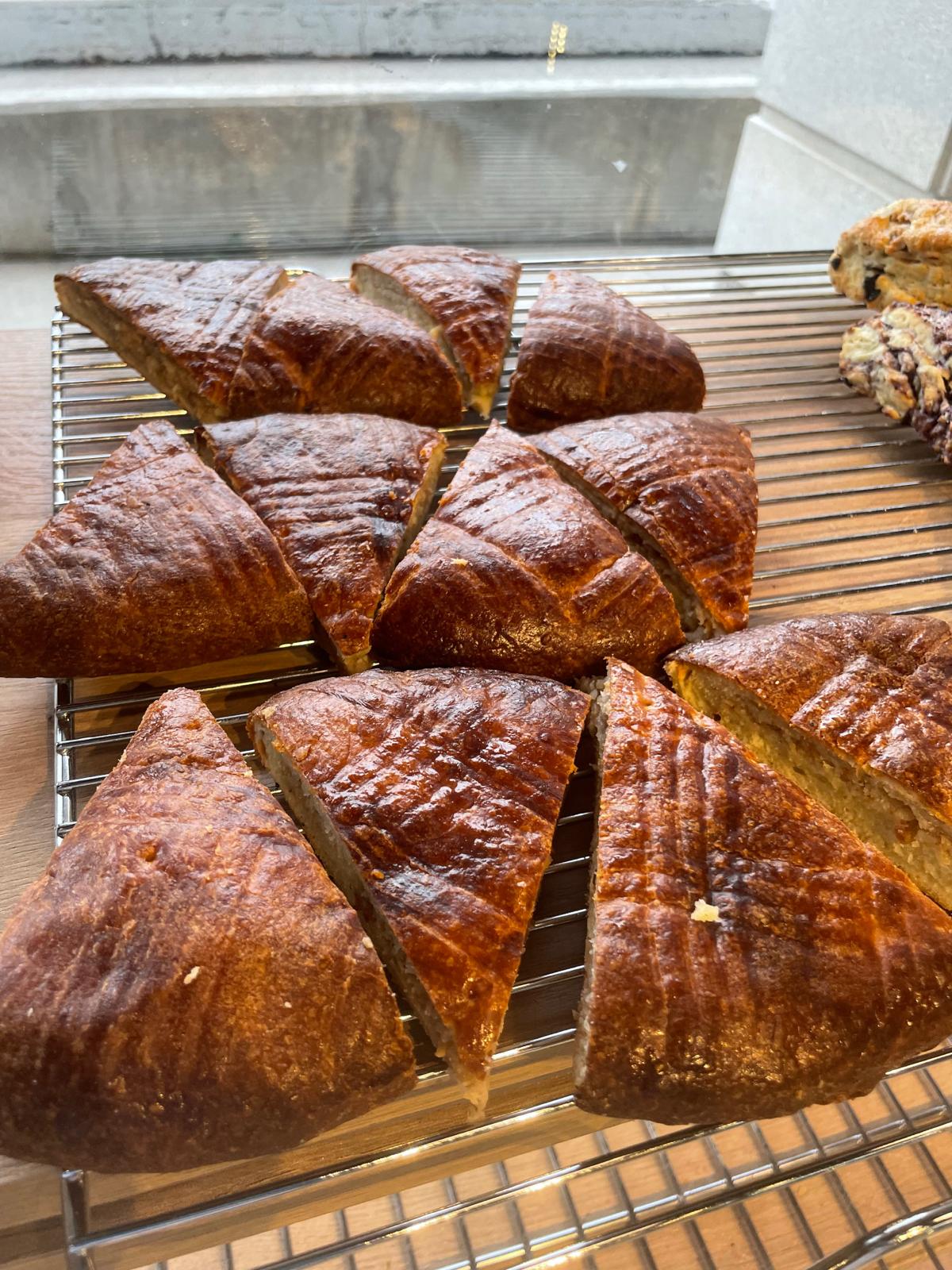
At Ganash Bakery, our Persian bread is inspired by both the sangak and barbari traditions. We stretch the dough by hand, dimple it, seed it, and bake it on a hot stone surface so the bottom crisps while the inside stays soft and pliable.
Barbari vs sangak: Iran's two iconic breads
The two most recognizable Persian breads are barbari and sangak, and they're almost opposites in technique:
Barbari is thick, soft, and leavened with yeast — a substantial, chewy loaf meant to be torn and shared. Sangak, by contrast, is a thin, almost cracker-like flatbread baked directly on a bed of hot river stones, which leaves its signature dimpled, charred underside. Sangak is the lighter of the two and is often the bread chosen for kebabs; barbari is the breakfast and cheese-board bread.
Both are baked fresh and meant to be eaten the same day. That immediacy is the soul of Persian bread culture — you buy it hot, you bring it home, you tear it at the table.
What does barbari taste like?
Barbari tastes of toasted wheat and sesame, with a faint sweetness from the long-fermented dough and a savory, almost pretzel-like note from the *roomal* glaze. The crust crackles; the interior is soft and slightly chewy, with an open, irregular crumb that pulls apart in ribbons.
Because it's baked hot and fast, the contrast between the shattering crust and the tender crumb is what defines a good barbari. A loaf that sits too long loses that contrast — which is exactly why we bake ours in small batches throughout the day.
How to eat Persian barbari bread
Barbari is built for sharing. The classic Persian breakfast is a torn piece of barbari with feta (*panir*), walnuts, fresh herbs (sabzi khordan), and a glass of hot black tea. It's also the natural partner for halva, jam, and butter.
Beyond breakfast, use it like any great flatbread: scoop up stews (khoresh), wrap around grilled kebab, or toast it for dipping in olive oil. The thickness holds up to wet dishes better than a thin flatbread would.
Where to buy fresh barbari in Richmond Hill
Ganash Bakery bakes Persian bread fresh daily at 372 Highway 7 Rd East, Unit 115B, Richmond Hill — minutes from Markham and easily reached from Vaughan and North York. We open at 6:30am Tuesday through Sunday (8:30am Mondays) and bake in waves through the morning so the bread is warm when you arrive.
You can also order ahead through the Order Online button on this site and pick it up in store. For large gatherings or Nowruz, order one to two weeks ahead.
Frequently Asked
What is Persian barbari bread?
+
Barbari is a thick, sesame-crusted Persian flatbread from northern Iran, baked with a glossy flour-and-water glaze called roomal. It has a crisp, golden crust and a soft, chewy crumb, and is traditionally eaten for breakfast with feta, herbs, and tea.
What is the difference between barbari and sangak?
+
Barbari is a thick, soft, yeast-leavened flatbread with sesame seeds, while sangak is a thin flatbread baked directly on hot stones. Barbari is the breakfast and cheese-board bread; sangak is lighter and often served with kebab.
Where can I buy fresh Persian bread in Richmond Hill?
+
Ganash Bakery at 372 Highway 7 Rd East, Richmond Hill bakes Persian bread fresh daily, opening at 6:30am Tuesday–Sunday. It's minutes from Markham and easy to reach from Vaughan and North York. You can also order online for in-store pickup.
How should I eat barbari bread?
+
Tear it and serve with feta, walnuts, fresh herbs, and tea for a traditional Persian breakfast, or use it to scoop up stews and wrap kebab. Barbari is best eaten fresh the same day it's baked.
Baked fresh, every morning.
Order online for in-store pickup at our Richmond Hill bakery.
Related Stories
Local
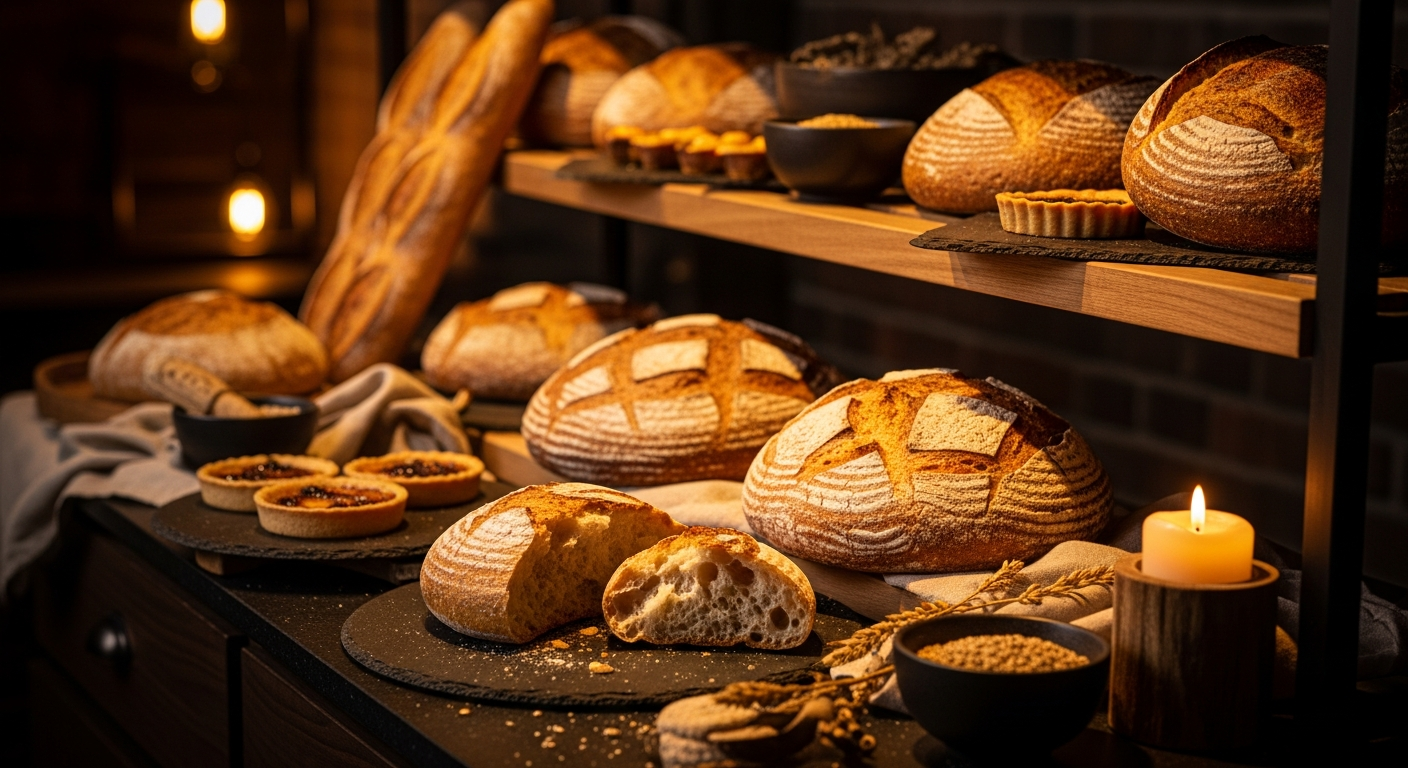
Best Persian Bakery in Richmond Hill
What makes a great Persian bakery — fresh stone-baked bread, authentic sweets, and bakers who know the tradition. Here's what to look for and why Richmond Hill's Persian community shops at Ganash Bakery.
Sweets & Occasions
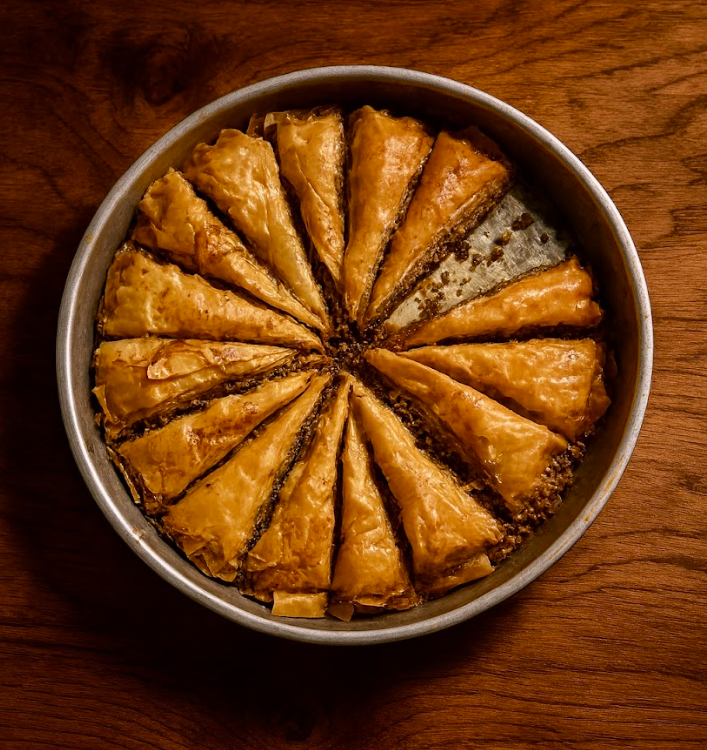
Nowruz Sweets & Desserts
Nowruz — the Persian New Year — is the sweetest celebration of the year. From baklava and knaffa to gata and Persian tea cookies, here's what to serve and how to order ahead for the holiday.